Essential Grooming Tips Every Dog Owner Should Know
- Jeshoua Usma
- Jul 14
- 5 min read

Grooming your dog is not just about keeping them looking good; it’s essential for their health and well-being. Regular grooming helps prevent skin issues, reduces shedding, and can even strengthen the bond between you and your furry friend. Whether you have a long-haired breed that requires frequent brushing or a short-haired dog that needs occasional baths, understanding the basics of dog grooming is crucial. In this post, we will explore essential grooming tips that every dog owner should know to keep their pets happy and healthy.
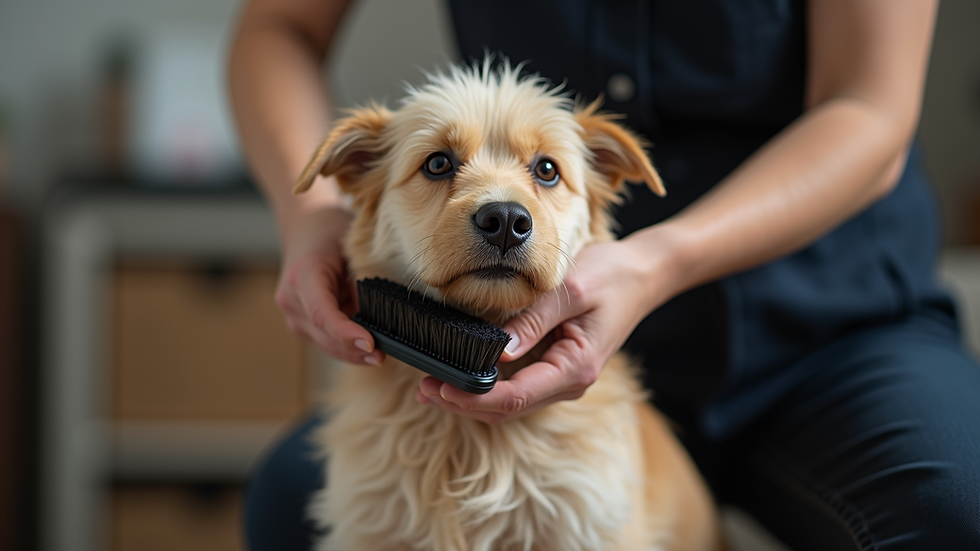
Understanding Your Dog's Coat Type
Before diving into grooming techniques, it's important to understand your dog's coat type. Different breeds have different grooming needs based on their coat texture and length. Here are the main types of dog coats:
Short Coats
Dogs with short coats, like Beagles and Boxers, require less maintenance. A weekly brushing is usually sufficient to remove loose hair and dirt. Bathing can be done every few months or as needed.
Medium Coats
Medium-coated dogs, such as Cocker Spaniels and Border Collies, benefit from more frequent brushing—at least once a week. This helps prevent matting and keeps their coat healthy.
Long Coats
Breeds with long hair, like Golden Retrievers and Shih Tzus, require regular grooming. Daily brushing is often necessary to prevent tangles and mats. Additionally, these dogs may need professional grooming every few months.
Curly Coats
Dogs with curly coats, such as Poodles and Portuguese Water Dogs, need special attention. Regular brushing is essential to prevent matting, and many owners opt for professional grooming to maintain their coat's shape.
Essential Grooming Tools
Having the right tools can make grooming your dog easier and more effective. Here are some essential grooming tools every dog owner should have:
Brushes: Choose a brush suitable for your dog's coat type. Slicker brushes work well for long-haired dogs, while bristle brushes are great for short-haired breeds.
Combs: A metal comb can help remove tangles and mats, especially in long-haired breeds.
Nail Clippers: Regular nail trimming is crucial for your dog's comfort. Invest in a good pair of clippers or a nail grinder.
Dog Shampoo: Use a gentle, dog-specific shampoo to avoid skin irritation. Avoid human shampoos, as they can disrupt the pH balance of your dog's skin.
Ear Cleaner: Keeping your dog's ears clean is important to prevent infections. Use a vet-recommended ear cleaner.
Bathing Your Dog
Bathing your dog is an important part of grooming, but it’s essential to do it correctly. Here are some tips for a successful bath:
Frequency
Most dogs only need a bath every 4 to 6 weeks, but this can vary based on their activity level and coat type. Dogs that spend a lot of time outdoors or have skin conditions may require more frequent baths.
Preparation
Before bathing, brush your dog to remove loose hair and mats. This will make the bathing process easier and more effective.
Bathing Process
Use Lukewarm Water: Ensure the water is comfortable for your dog. Too hot or too cold can be uncomfortable.
Wet the Coat Thoroughly: Use a handheld showerhead or a cup to wet your dog's coat, avoiding the face.
Apply Shampoo: Use a small amount of dog shampoo, lathering it into the coat. Be careful around the eyes and ears.
Rinse Thoroughly: Make sure to rinse all the shampoo out of your dog's coat to prevent irritation.
Drying: Towel dry your dog and, if they tolerate it, use a blow dryer on a low setting. Always keep the dryer at a safe distance from their skin.
Nail Trimming
Nail trimming is often overlooked but is crucial for your dog's health. Long nails can cause discomfort and lead to joint issues. Here’s how to trim your dog’s nails safely:
Frequency
Most dogs need their nails trimmed every 3 to 4 weeks. If you can hear their nails clicking on the floor, it’s time for a trim.
Technique
Choose the Right Tools: Use dog nail clippers or a grinder. Ensure they are sharp and in good condition.
Identify the Quick: The quick is the pink area inside the nail that contains blood vessels. Avoid cutting into this area, as it can cause pain and bleeding.
Trim Gradually: If your dog has dark nails, trim a little at a time until you see a small dark dot in the center of the nail, indicating you are close to the quick.
Reward Your Dog: After trimming, reward your dog with treats and praise to create a positive association with the process.
Ear Cleaning
Regular ear cleaning can help prevent infections and discomfort. Here’s how to do it safely:
Frequency
Check your dog’s ears weekly and clean them as needed. Dogs with floppy ears may require more frequent cleaning.
Cleaning Process
Use a Vet-Recommended Cleaner: Apply a few drops of ear cleaner to your dog’s ear canal.
Massage the Base: Gently massage the base of the ear to help loosen debris.
Wipe with a Cotton Ball: Use a cotton ball to wipe away any dirt or wax. Avoid using cotton swabs, as they can push debris further into the ear.
Dental Care
Dental hygiene is often neglected but is vital for your dog’s overall health. Poor dental health can lead to serious health issues. Here are some tips for maintaining your dog’s dental hygiene:
Brushing
Aim to brush your dog’s teeth several times a week. Use a toothbrush and toothpaste specifically designed for dogs.
Dental Chews
Provide dental chews or toys that promote chewing, which can help reduce plaque buildup.
Regular Vet Checkups
Schedule regular dental checkups with your veterinarian to ensure your dog’s teeth and gums are healthy.
Grooming for Different Seasons
Grooming needs can change with the seasons. Here’s how to adjust your grooming routine:
Spring and Summer
More Frequent Baths: Dogs may get dirtier and sweat more in warmer months, requiring more frequent baths.
Regular Brushing: Increased shedding is common in spring as dogs lose their winter coats. Brush more often to manage shedding.
Fall and Winter
Less Frequent Baths: Dogs may not need as many baths in cooler months. Focus on brushing to remove loose hair.
Check for Mats: Long-haired dogs may develop mats in colder months, so keep an eye on their coat.
Professional Grooming
While many grooming tasks can be done at home, some dogs may benefit from professional grooming. Here are some signs that it might be time to seek help:
Severe Matting: If your dog’s coat is severely matted, a professional groomer can safely remove the mats.
Specialized Cuts: Some breeds require specific cuts that are best done by a professional.
Nervous Dogs: If your dog is anxious about grooming, a professional may have the experience to handle them better.
Building a Grooming Routine
Establishing a grooming routine can help make the process smoother for both you and your dog. Here are some tips for creating a successful grooming schedule:
Set a Regular Schedule: Choose specific days for brushing, bathing, and nail trimming to create consistency.
Start Young: If you have a puppy, introduce grooming early to help them get used to the process.
Make it Positive: Use treats and praise to create a positive experience during grooming sessions.
Final Thoughts
Grooming is an essential part of dog ownership that goes beyond aesthetics. By understanding your dog's grooming needs and establishing a routine, you can ensure their health and happiness. Remember, grooming is not just a chore; it’s an opportunity to bond with your furry friend. So grab your grooming tools, and make it a fun and rewarding experience for both of you!
By following these essential grooming tips, you can keep your dog looking and feeling their best. Regular grooming not only enhances your dog's appearance but also contributes to their overall well-being. Happy grooming!

Comments